arrow to top arrow to top
Polska PL
Medicover
  • Medicover Store
  • Medicover OnLine
    logo Medicover - private medical care Medicover
    • Important information
    • Medicover services
        Services
      • Consultations and visits
      • Procedures and surgeries
      • Tests/examinations
      • Prevention
      • Beauty Wellness Spa
      • Medicover diet and healthy food
      • Mother and child
      • Sport/Fitness
      • Vaccinations
      • Dentistry
      • Insurance
      • Guide
        to Medicover
      • Patient's Handbook
      • Help in emergencies
      • Using Medicover Care
      • Telemedicine
      • Medicover OnLine Patient Portal
      • FAQ
      • Patient's Portal - Medicover OnLine
      • Meet Medicover
      • Procedure of Implementation Rights
      • About us
      • Management Board of Medicover sp. z o.o.
      • What’s new
      • For the media
      • The Medicover Foundation
      • Healthcare Services, Medicover in Poland
      • Ethics in Medicover
      • Prizes and awards
      • Contact
        and help
      • Chats with doctors
      • For the media
      • Contact form
      • Help in emergencies
      • Medicover OnLine Patient Portal
      • Doctors
        and centres
      • Find a facility
      • Medicover hospital
    • Facilities
    • Telemedicine
    • For companies
        Offer for companies
      • Large companies
      • One-man companies
      • Benefits for your company
      • Small companies
      • Occupational medicine
      • Medical attendance services
      • Preventive healthcare
      • On-site company clinics
      • Emergency medical services
      • Competition in Medical Rescue
      • Services for companies
      • Dedicated staff
      • Occupational medicine
      • Discount and cafeteria platforms
      • e-Member application
      • Onboarding
      • Documents to download
      • The employer's handbook
      • Contact
      • Contact form
    • Medicover Hospital
        Childbirth
      • Vaginal birth – Warsaw
      • Caesarean birth
      • Prestige Labour
      • Pregnancy care
      • Pregnancy pathology
      • Maternity Ward
      • Procedures
        & surgeries
      • Ablation of underlying heart rhythm disorders
      • Treatment of stress urinary incontinence using Bulkamid
      • Endometriosis
      • Da Vinci Gynaecology
      • Sleeve resection
      • The da Vinci robot - treatment of prostate cancer
      • Minimally invasive surgery for lower limb varicose veins
      • All procedures and surgeries
      • Laparoscopic reconstruction of linea alba dehiscence
      • Surgical treatment of post-partum abdominal wall insufficiency syndrome (PPAWIS)
      • Consultations
      • Bariatrist
      • Surgeon
      • Vascular Surgeon
      • Gynecologist
      • Cardiologist
      • Laryngologist
      • Men`s medicine
      • Orthopaedist
      • Urologist
      • All consultations
      • Diagnostics
        Patients
      • How to use Medicover care
      • History, facts and figures
      • Hospital facility
      • Learn about our hospital
      • National Health Fund
      • Covid-19 important information
      • About
        the hospital
      • Information for visitors
      • Rules for requesting and issuing medical records
      • Contact
        & help 24h
      • 24-hour Emergency Unit
    • Optician
        Our
        offer
        Eye
        examination
        Eye
        examination
        in children
        Current
        promotions
        Worth
        knowing
        Our
        showrooms
        Contact
    • Dentistry
        About us
        Implants
        Contact
        Price list
        Services
      • Cone beam computed tomography
      • Invisalign
      • Pantomogram
    • Vitamins and minerals
        About Medicover Vital
      • The brand idea
      • Laboratory
      • Ecology
      • Our products
      • Complex Products
      • Minerals
      • Vitamins
      • Where to buy the supplements
        FAQ
    • Career
    • About us
    • Contact and help
    • Childbirth
      • Vaginal birth – Warsaw
      • Caesarean birth
      • Prestige Labour
      • Pregnancy care
      • Pregnancy pathology
      • Maternity Ward
      • Procedures
        & surgeries
        • Ablation of underlying heart rhythm disorders
        • Treatment of stress urinary incontinence using Bulkamid
        • Endometriosis
        • Da Vinci Gynaecology
        • Sleeve resection
        • The da Vinci robot - treatment of prostate cancer
        • Minimally invasive surgery for lower limb varicose veins
        • All procedures and surgeries
        • Laparoscopic reconstruction of linea alba dehiscence
        • Surgical treatment of post-partum abdominal wall insufficiency syndrome (PPAWIS)
        • Consultations
          • Bariatrist
          • Surgeon
          • Vascular Surgeon
          • Gynecologist
          • Cardiologist
          • Laryngologist
          • Men`s medicine
          • Orthopaedist
          • Urologist
          • All consultations
          • Diagnostics
          • Patients
            • How to use Medicover care
            • History, facts and figures
            • Hospital facility
            • Learn about our hospital
            • National Health Fund
            • Covid-19 important information
            • About
              the hospital
            • Information for visitors
            • Rules for requesting and issuing medical records
            • Contact
              & help 24h
              • 24-hour Emergency Unit

              HERNIA SURGERY

              Hernia experts – your health in good hands!

              FILL IN THE FORM >CALL >

              HERNIA SURGERY

              FILL IN THE FORM >CALL >

              HERNIA SURGERY

              FILL IN THE FORM >CALL >

              Hernia treatment at Medicover Hospital

              In most cases, we use minimally invasive methods – primarily laparoscopy. Smaller incisions mean less pain after surgery, shorter hospitalisation and quicker recovery. The method is selected individually during qualification for surgery, in accordance with the best practice for safety.

              Why choose us:


              ✔ shorter convalescence

              ✔ reduced risk of complications

              ✔ comfortable hospital stay

              ✔ experienced team of surgeons

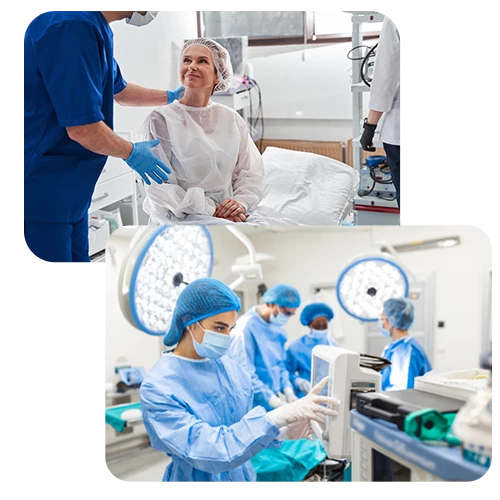
              ✔ state-of-the-art operating rooms

              ✔ clear recommendations

              ✔ quick mobilisation after surgeryi

              ✔ standardised procedures

              ✔24/7 care

              ✔ experienced team of anaesthesiologists

              ✔ perioperative monitoring

              ✔ recovery plan


              Restore your full physical function. Book a consultation:

              FILL IN THE FORM >

              CALL >


              Types of hernia treated at Medicover Hospital:


              ✔ inguinal hernia

              ✔ femoral herniae

              ✔ postoperative hernia

              ✔ recurrent hernia

              ✔ umbilical hernia

              ✔ epigastric hernia

              ✔ scrotal hernia

              ✔ parastomal hernia


              The scope of intervention and the method of treatment are determined individually during a consultation with the surgeon.

              Book a consultation:

              CALL >

              How do we treat hernias at Medicover Hospital?

              Our surgeons perform most hernia repair procedures using minimally invasive laparoscopic surgery techniques. These methods ensure a quick return to normal physical activity, a significant reduction of postoperative pain, a smaller incidence of chronic pain, as well as a lower risk of postoperative wound infections. Laparoscopic procedures are recommended for patients with recurrent hernia.


              leczenie przepukliny

              250 operacji rocznie

              Our doctors have a vast experience in hernia operations; every year, we perform about 250 such procedures at our hospital.

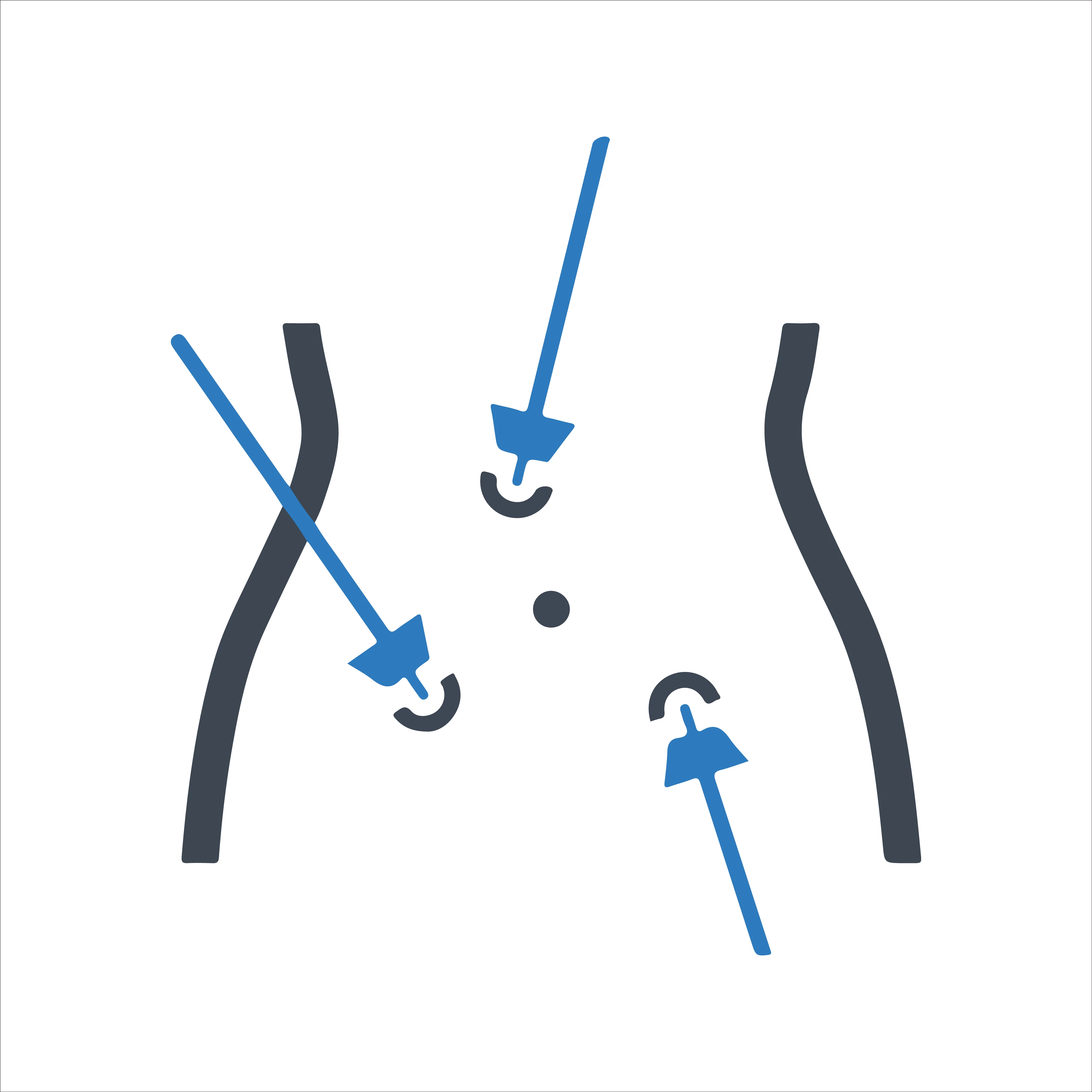
              At Medicover Hospital, we use a laparoscopic tower with 3D imaging, which enhances precision and safety during procedures, while requiring fewer trocars (resulting in fewer scars and an improved cosmetic outcome).


              wieża laparoskopowa


              Why perform a hernia surgery at Medicover Hospital?


              ✔ highly experienced hernia surgeons

              ✔ latest minimally invasive technologies

              ✔ thousands of satisfied patients


              Experienced hernia surgeons – meet our staff

              Prof. UJK, dr hab. n. med. Maciej Kielar – Head of the Surgery Clinic.

              A graduate of the Medical University of Warsaw, a second-degree specialist in general surgery and vascular surgery.

              He holds a degree in laparoscopic surgery from the University of Strasbourg. A long-time lecturer at the Medical University of Warsaw, and professor at the Jan Kochanowski University in Kielce..

              His interests span many areas of modern surgery.

              Hernia treatment methods:

              Laparoscopic abdominal hernia repair: sub-lay/underlay/onlay

              A tension-free approach to treating abdominal hernia which involves the use of an implant (mesh) placed within the abdominal walls. This technique reduces the rates of abdominal hernia recurrence. In this type of surgery, either one long abdominal incision is made or several shorter ones, if the laparoscopic method is used. The length of the incision depends on the size of the hernia in the case of open surgery, but with laparoscopic technique, there is no such dependence. The patient is hospitalised for up to 2 days, and the operation is performed under general endotracheal anaesthesia, in the surgical setting. The price of the mesh is not included in the price of the procedure.

              The surgeries are performed by dr n. med. Andrzej Lehmann.

              Minimally invasive inguinal hernia repair – TEP/TAPP

              TAPP stands for a transabdominal pre-peritoneal hernia repair, and TEP for totally extraperitoneal hernia repair. The choice of the treatment method in a specific case is made by the doctor performing the surgery.

              After administering general anaesthesia to the patient (putting them under), the doctor inflates the patient’s abdominal cavity with gas and makes 3 small incisions; through these, trocars are inserted, allowing the camera and laparoscopic instruments to be introduced into the abdomen. After gaining transperitoneal or retroperitoneal access to the hernia defect, the hernia contents – such as intraperitoneal fat or intestinal loops – are reduced back into the abdominal cavity. Finally, the wall of the inguinal canal is reinforced with a specially designed 3D mesh that closes off the entrance to the canal. The mesh is attached to the tissues with stitches or special absorbable staples.

              The hospital stay is usually 1 day.

              At Medicover Hospital, minimally invasive TEP/TAPP inguinal hernia repair is carried out by experienced professionals:

              • Prof. UJK, dr hab. n. med. Maciej Kielar
              • dr n. med. Marek Witkowski
              • dr n. med. Andrzej Lewczuk
              • lek. med. Jarosław Wawer
              • dr n. med. Jacek Waligóra
              • dr n. med. Andrzej Lehmann
              Laparoscopic abdominal/umbilical hernia repair – IPOM

              IPOM (Intraperitoneal Onlay Mesh) is a transabdominal, intraperitoneal method of hernia repair. In this method, the surgeon places surgical instruments in the abdominal cavity and secures the mesh intraperitoneally, i.e. on the inner surface of the peritoneal abdominal wall. This approach allows for a minimally invasive repair of hernias of the anterior abdominal wall, including postoperative and recurrent epigastric, umbilical and periumbilical hernias, which are the most common.

              First, after administering general anaesthesia to the patient (putting them under), a needle is inserted into the abdomen, through which gas (carbon dioxide) is introduced to create space for surgery.

              Then, trocars (special sharpened tubes) are inserted into the abdomen, through which a camera and special surgical instruments are introduced. Looking at the TV monitor, the surgeons can see what is happening in the abdominal cavity, and use the tools to operate.

              Three trocars are inserted lateral to the hernia defect, typically along the anterior axillary line. After the hernia sac contents are dissected and pushed back to the abdominal cavity, a mesh is introduced. The implant is secured with stitches or staples, covering the hernia defect with a margin of 3–5 cm.


              It is important to know that, in some cases, regardless of the surgeon’s experience, a “conversion” may be necessary – that is, switching from a laparoscopic to an open (classic) surgical approach.

              The hospital stay is usually 1 day.

              At Medicover Hospital, laparoscopic abdominal/umbilical hernia repair is carried out by experienced professionals:

              • Prof. UJK, dr hab. n. med. Maciej Kielar
              • dr n. med. Marek Witkowski
              • dr n. med. Andrzej Lewczuk
              • lek. med. Jarosław Wawer
              • dr n. med. Jacek Waligóra
              • dr n. med. Andrzej Lehmann
              Inguinal hernia repair – classical method

              The most common method used in inguinal hernia repair is the Lichtenstein method (tension-free mesh technique).

              After administering general anaesthesia to the patient (putting them under), the surgeon makes an incision of about 10–15 cm in the groin area. Cutting through the subsequent layers (subcutaneous tissue, fascia), the surgeon reaches the inguinal canal. He identifies and preserves the nerves, blood vessels, and spermatic cord in men or the round ligament of the uterus in women. He then locates the hernia sac and reduces its contents back to the abdominal cavity. Next, he performs inguinal canal repair, reinforcing it with a mesh. The mesh is then covered with the aponeuroses, muscles, and fascia of the abdominal wall, followed by the skin.

              If there is a risk of bleeding, a drain is placed in the wound (a tube with holes to drain liquid from the wound). The drain is usually removed the next day.

              Finally, the subcutaneous tissue and the skin are closed separately with absorbable sutures. The wound is washed, wiped dry, and a dressing is applied. In male patients, the surgeon gently pulls on the testicle on the operated side after the procedure to ensure it moves properly. This is a way to check whether the spermatic cord has not been sutured too tightly.

              The hospital stay is usually 1 day.

              At Medicover Hospital, open inguinal hernia repair is carried out by experienced professionals:

              • Prof. UJK, dr hab. n. med. Maciej Kielar
              • dr n. med. Marek Witkowski
              • dr n. med. Andrzej Lewczuk
              • lek. med. Jarosław Wawer
              • dr n. med. Jacek Waligóra
              • dr n. med. Andrzej Lehmann
              Umbilical hernia repair – minimally invasive classic method

              Modern methods of treating abdominal hernia are tension-free, meaning that repair is performed without stitching living tissues under tension. Instead, a synthetic implant (mesh) is placed within the abdominal walls and secured with sutures to the surrounding tissues. This technique has reduced the rates of abdominal hernia recurrence.

              The above approach involves placing a special mesh through a small 1–2 cm incision, then unfolding it inside the abdominal cavity to the appropriate size (6–8 cm), without the need to enlarge the skin incision. The mesh can be made of non-absorbable material (polypropylene), or it can be partially absorbable. The choice of mesh type and size will be made by the surgeon depending on the size of the hernia defect.

              The hospital stay is usually 1 day.

              At Medicover Hospital, open umbilical hernia repair is carried out by experienced professionals:

              • Prof. UJK, dr hab. n. med. Maciej Kielar
              • dr n. med. Marek Witkowski
              • dr n. med. Andrzej Lewczuk
              • lek. med. Jarosław Wawer
              • dr n. med. Jacek Waligóra
              • dr n. med. Andrzej Lehmann
              Open abdominal hernia repair – SUB-LAY

              Open abdominal hernia repair involves surgical closure of the hernia defect and strengthening of the abdominal wall using a special synthetic mesh placed under the muscles and abdominal fascia (sub-lay method). The patient is hospitalised for up to 2 days, and the procedure is performed under general endotracheal anaesthesia, in the surgical setting. The price of the mesh is not included in the price of the procedure.

              The surgery is performed by dr n. med. Andrzej Lehmann.

              Hernia repair with da Vinci Surgical System

              In our Hospital, we use the da Vinci Surgical System for inguinal, abdominal and parastomal hernia operations. Hernia repair with the da Vinci System is associated with a number of benefits for the patient:

              - The postoperative hospitalisation is extremely short, usually 1-2 days, even in cases of large hernia.

              - The postoperative wounds are smaller, hence the risk of infection is reduced.

              - Pain is also reduced and there is a lower risk of recurrence than with traditional methods of surgery.

              At Medicover Hospital, inguinal, abdominal and parastomal hernia repairs with the da Vinci System are carried out by an experienced surgeon,

              dr n. med. Jerzy Draus. You can read more about the operator and the procedures carried out with the da Vinci System here.


              What is a hernia?

              Hernia is a general name for a group of conditions in which internal organs or tissues move out of their normal position. Hernias most commonly involve portions of the small or large intestine pushing outside of the abdominal wall through primary openings (the navel, inguinal canal, or femoral canal) or secondary ones.

              Read more >
              According to statistics, various types of hernia affect up to 20% of the population, with inguinal hernia being the most commonly diagnosed (60–70% of all cases, and up to seven times more frequently in men than in women). Global data suggest that hernia repair is the most commonly performed elective surgical procedure. Epidemiologically, it is matched by appendectomy (removal of the appendix), which, however, is carried out more frequently in the emergency setting. Over 40,000 inguinal hernia surgeries are performed in Poland every year.
              Doctors classify hernias as either congenital – present from birth – or acquired, which develop later in life, for example due to injury or trauma.


              Surgery is the only effective treatment for all types of hernia. It is important to remember that once a hernia develops, it will not go away on its own, and its size cannot decrease without treatment. Moreover, if untreated, it progresses, causing more and more pain and discomfort.

              Read more >
              Even minor symptoms should not be underestimated; if you suspect you may have a hernia, you should see a doctor, who can usually diagnose it and identify its type on the basis of a physical examination. Early diagnosis and prompt, effective treatment is important, because otherwise a hernia may become incarcerated, which can be life threatening and requires immediate surgical intervention.


              Formularz

              Surgery
              Medicover Hospital
              Aleja Rzeczypospolitej 5
              02-972 Warsaw 

              • Medicover
                hotline
              • Book an
                appointment
                online
              • Online
                application
              • Emergency medical
                services
                500 900 999
              MEDICOVER
              • Services
              • Guide
                to Medicover
              • About us
              • Contact
                and help
              • Doctors
                and centres
              medicover hospital
              • Childbirth
              • Procedures
                & surgeries
              • Consultations
              • Diagnostics
              • Patients
              • Contact
                & help 24h
              store
              • Medical consultations
              • Medical subscriptions
              • Diagnostics tests
              • Health screenings
              • Stomatology
              for companies
              • Offer for companies
              • Services for companies
              • Contact
              Copyright © Medicover 2026
              • Cookie policy
              • Privacy policy
              • Information clause
              See us on
              • facebook
              • linked in
              • twitter
              Speech recognition in progress