arrow to top arrow to top
Polska PL
Medicover
  • Medicover Store
  • Medicover OnLine
    logo Medicover - private medical care Medicover
    • Childbirth
      • Vaginal birth – Warsaw
      • Caesarean birth
      • Prestige Labour
      • Pregnancy care
      • Pregnancy pathology
      • Maternity Ward
      • Procedures
        & surgeries
        • Ablation of underlying heart rhythm disorders
        • Treatment of stress urinary incontinence using Bulkamid
        • Endometriosis
        • Da Vinci Gynaecology
        • Sleeve resection
        • The da Vinci robot - treatment of prostate cancer
        • Minimally invasive surgery for lower limb varicose veins
        • All procedures and surgeries
        • Laparoscopic reconstruction of linea alba dehiscence
        • Surgical treatment of post-partum abdominal wall insufficiency syndrome (PPAWIS)
        • Consultations
          • Bariatrist
          • Surgeon
          • Vascular Surgeon
          • Gynecologist
          • Cardiologist
          • Laryngologist
          • Men`s medicine
          • Orthopaedist
          • Urologist
          • All consultations
          • Diagnostics
          • Patients
            • How to use Medicover care
            • History, facts and figures
            • Hospital facility
            • Learn about our hospital
            • National Health Fund
            • Covid-19 important information
            • About
              the hospital
            • Information for visitors
            • Rules for requesting and issuing medical records
            • Contact
              & help 24h
              • 24-hour Emergency Unit

              Brain Health Screening

              Are you experiencing concerns about
              your memory or the memory of a loved one?

              Find out if everything is functioning properly
              – in just one day.

              BOOK A CONSULTATION


              Brain Health Screening

              Comprehensive cognitive
              function evaluation


              Brain Health Screening

              Comprehensive cognitive
              function evaluation


              Advanced diagnostic package for cognitive function and dementia

              Discover a modern approach to cognitive diagnostics.
              Our comprehensive package is designed for people who notice an intellectual decline in themselves or their loved ones, and includes a detailed assessment of memory, concentration and other functions of the brain — all within just one day. Early detection of any abnormalities will help inform further treatment to ensure the best level of care.


              Table of contents:

              Who is the programme for? | What is included in the diagnostics? | Why get tested? | Qualification visit | What does the testing involve? | What is included in the Brain Health Screening package? | What sets us apart? | Types and diagnosis of dementias | Brain Health Screening Team | Schedule an appointment


              Who is the programme for?

              The programme is addressed to people who observe the following in themselves or their loved ones:

              ✔ memory problems (forgetting names, events, places)

              ✔ trouble concentrating

              ✔ changes in handling daily tasks

              ✔ family history of dementia

              Don't wait until it gets worse. The sooner you get diagnosed, the more there is to be done.

              What is included in the diagnostics?

              Within one day, we will conduct a comprehensive assessment of your brain health:


              Specialist consultations

              A neurologist, psychologist, dietitian and internist will work together to assess your health.
              Imaging tests

              Magnetic resonance or computed tomography will be used to produce an image of your brain.
              Laboratory tests

              More than 30 blood and urine lab tests to check your overall health.


              Brain disease markers

              Special tests to detect early changes associated with Alzheimer’s disease.


              Genetic testing

              We will check if you have a genetic predisposition to dementia.

              Roadmap

              You will receive personalised recommendations and a treatment plan tailored to your needs.

              Why get tested?

              Early detection of memory problems makes it possible to:

              Slow down the progress of the disease

              Early treatment can significantly delay the progression of symptoms

              Stay independent for longer

              The sooner you act, the longer you can enjoy a full life and keep your independence

              Plan for the future

              Awareness gives you a sense of control and allows you to make informed plans for the future

              Take advantage of new therapies

              Some advanced medicines only work at the early stages of the disease


              The Brain Health Screening diagnostic programme is carried out at the Wellness Medicine Clinic at Medicover Hospital, where a comprehensive assessment of brain health is delivered within one day. The patient may be accompanied by a loved one or a caregiver.


              Qualification visit

              Qualification visit — consultation prior to screening. A neurologist will assess if this type of diagnostic management is appropriate and will discuss the possible course of diagnostics, selecting on a case-by-case basis any specific tests included in the service, e.g. MRI or CT of the head, and checking for contraindications to lumbar puncture. The doctor will also establish the need to modify treatment before the screening. This visit is charged extra and is not included in the package.


              BUY A QUALIFICATION VISIT ONLINE


              What does the testing involve?

              STEP 1: Qualification visit

              First, you will have an appointment with a neurologist, who will assess whether the programme is right for you. They will discuss your symptoms with you and plan the necessary assessments.

              This appointment is charged separately and is not included in the price of the package.


              STEP 2: Screening day

              All examinations are done on one day at the Medicover Hospital in Warsaw. You will be provided with a private room and meals. You may be accompanied by a friend or family member.


              STEP 3: Discussion of results

              After 4–6 weeks, you will see the neurologist again to discuss all the results in detail and you will receive a personalised report along with recommendations.
              What is included in the Brain Health Screening package?

              1. Opening consultation

              Visit with the treating doctor, health status assessment, medical history, medications, discussion of the examination plan.

              2. Medical consultations

              ✔ neurological consultation — discussion of the symptoms and complaints associated with the cognitive impairment,
              ✔ internal medicine and cardiological consultation - — assessment of the general health status and concomitant diseases, review of medications taken, assessment of the cardiovascular system,
              ✔ neuropsychological consultation - analysis of the cognitive function, tests to assess memory, attention, linguistic and executive functions, learning capacity,
              ✔ dietary and lifestyle consultation - personalised advice with a focus on the MIND diet,
              ✔ ✔ hearing and vision screening - evaluation of sensory disorders that may affect cognitive function and require treatment.

              3. Diagnostics of neurodegenerative diseases

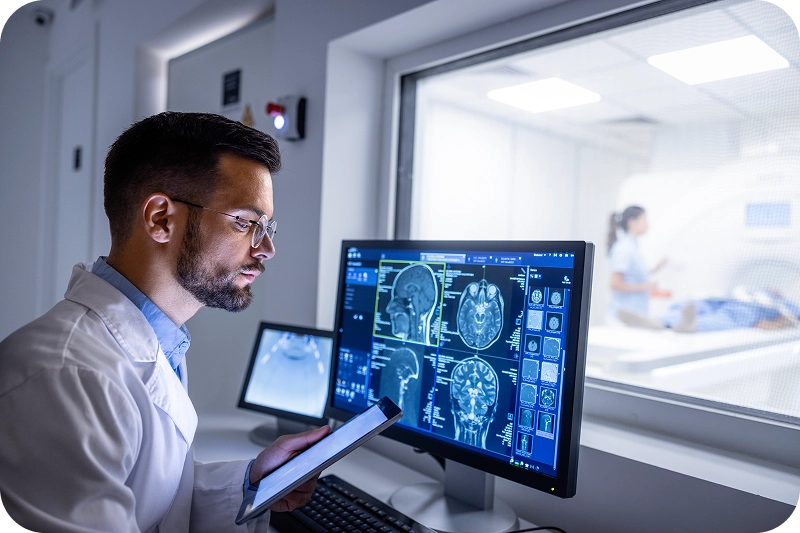
              ✔ magnetic resonance imaging (MRI), computed tomography (CT), and Doppler ultrasound of brain-supplying arteries imaging diagnostic methods to assess brain structures, vascular changes and possible brain damage,
              ✔ genetic testing (including ApoE allele and PSEN1 gene) – uto assess the hereditary risk of developing Alzheimer's disease and other types of dementia,
              ✔ Alzheimer's disease biomarkers (serum beta-amyloid 1-42 and 1-40, beta-amyloid 1-42/1-40 ratio, tau protein) – laboratory assessment of specific proteins in serum or cerebrospinal fluid, allowing for early detection of neurodegenerative processes,
              ✔  electroencephalography (EEG) – a study of the bioelectrical activity of the brain to help diagnose epilepsy, dementia and other brain disorders
              ✔ electrocardiogram (ECG) – pa basic test to assess heart function, essential for diagnosing cerebral circulation disorders and evaluating stroke risk.

              4. Laboratory tests
              Blood tests and general health status >>

              • Complete blood count — blood (analyser) -a basic test to assess blood composition and parameters, to detect infections, anaemia, and coagulation disorders.

              • Fasting venous blood glucose - assessment of carbohydrate metabolism, diagnosis of diabetes mellitus.

              • Glycated haemoglobin (HbA1c) - assessment of the average blood glucose level from the last 3 months, control of diabetes mellitus.

              • CRP acute-phase protein (quantitative) - a marker of inflammation, infections, chronic diseases.

              • Vitamin B12, folic acid - assessment of deficiencies that may lead to anaemia or neurological disorders.

              • Vitamin D (25(OH)D) -levels of vitamin D, responsible for bone health, immunity, prevention of many diseases.


              Kidney function and urinalysis >>

              • Serum urea, serum creatinine - basic parameters of kidney function for the diagnosis and monitoring of kidney disease.

              • Urinalysis - general assessment of urine to diagnose urinary tract infections, metabolic disorders and kidney function.

              • Toxic micro-elements (lead and arsenic) in urine - assessment for exposure to toxic heavy metals, diagnosis of poisoning and environmental exposure.


              Liver, pancreas and gastrointestinal tract >>

              • Aminotransferases (AST, ALT), total bilirubin, alkaline phosphatase (ALP) - — for the diagnosis of liver, biliary tract and pancreas problems.

              • Serum ammonia - may indicate advanced liver damage or metabolic disorders.


              Cardiovascular system and lipid metabolism >>

              • Lipid panel (total cholesterol, LDL-C, HDL-C, triglycerides) - assessment of the risk of atherosclerosis and cardiovascular disease.

              • Homocysteine - a risk factor for atherosclerosis and thrombosis.

              • Serum uric acid - assessment of the risk of gout, diagnosis of metabolic syndrome.


              Electrolytes and elements >>

              • Serum sodium, serum potassium - these elements play a key role in electrolyte balance and heart rate control.

              • Total serum calcium - gcalcium-phosphate homeostasis, bone and nervous system health.


              Thyroid and hormones >>

              •TSH (thyroid stimulating hormone), fT4 (free thyroxine) - diagnosis of hypo- and hyperthyroidism.


              Infectious and autoimmune diseases >>

              • Syphilis serology tests (VDRL), anti-HIV antibodies (COMBO), Borrelia IgM/IgG antibodies (Western blot) - diagnosis of infectious diseases such as syphilis, Lyme disease, HIV.

              • Anti-nuclear antibodies ANA2 - diagnosis of autoimmune diseases such as lupus, connective tissue disorders.

              5. Closing visit

              A consultation with the treating doctor, which includes a preliminary discussion of the readily available results and a conversation about the next steps to be taken.

              6. Summary visit after all study results have been obtained (4 to 6 weeks later)

              During the summary visit, the neurologist will review your test results and diagnoses with you and offer their professional opinion. You will receive a personalised report with medical records from your screening and recommendations from specialists regarding the available treatment options and further management. The summary visit is included in the package. You are encouraged to come in person, but there is an option for the visit to be carried out by means of remote communication. The visit takes 60–90 minutes.


              What sets us apart?

              ✔ All in one day — you don't need to make multiple trips

              ✔ Comprehensive testing — all tests and consultations in one place

              ✔ Comfort — a private room, meals, the option to have a companion by your side

              ✔ Modern treatment methods and an experienced doctor providing the service — lek. Piotr Ślifirczyk, a neurologist with 20 years of experience in diagnostics and treatment of neurological disorders


              Types of dementia and how they are diagnosed

              Alzheimer's disease

              The most common form of dementia, a progressive neurodegenerative brain disease characterised by the deposition of beta-amyloid and tau protein. It manifests mainly by memory impairment, confusion, difficulties in abstract thinking and a gradual loss of independence. Diagnosis of Alzheimer’s disease: neuropsychological tests to assess memory and cognitive functions. Magnetic resonance imaging (MRI) or computed tomography (CT) is used to rule out other causes of dementia. Analysis of biomarkers in cerebrospinal fluid (beta-amyloid, tau protein) has for many years been established as a standard test to confirm the diagnosis.

              Mixed dementia

              A combination of several types of dementia, most commonly Alzheimer's disease and vascular dementia. Symptoms include both memory problems and executive deficits. Diagnosis of mixed dementia: MRI and CT often reveal both neurodegenerative changes (brain atrophy) and vascular changes (infarcts, leukoaraiosis). Neuropsychological tests evaluate both episodic memory (characteristic of Alzheimer's) and executive functions (characteristic of vascular dementia).

              Rare forms of dementia

              This group includes dementia associated with metabolic diseases (e.g. vitamin deficiencies, hypothyroidism), post-traumatic dementia, as well as Huntington's disease and AIDS-related dementias. Symptoms can vary depending on the cause. Diagnostics: to diagnose metabolic dementia, blood tests are performed (vitamin B12, TSH, glucose levels). Post-traumatic dementia is diagnosed from medical history and post-traumatic lesions visible on MRI or CT images. Huntington's disease is diagnosed with a genetic test. AIDS-related dementia is diagnosed on the basis of virological tests and MRI demonstrating characteristic cerebral cortical atrophy.

              Vascular dementia

              Caused by damaged blood vessels in the brain, often associated with hypertension, diabetes mellitus, and stroke. It manifests as a sudden onset followed by gradual deterioration of executive functions, slowed thinking, and difficulties with concentration. Diagnosis of vascular dementia: MRI or CT shows ischaemic lesions, strokes, extensive leukoaraiosis. Neuropsychological tests are performed focusing on executive functions and attention. Also examined are cardiovascular risk factors (lipid profile, glucose, blood pressure).

              Dementia with Lewy bodies

              It is characterised by fluctuations in cognitive function, visual hallucinations and parkinsonian symptoms (muscle stiffness, tremors). Also associated with REM sleep disorders and hypersensitivity to neuroleptic drugs. Diagnosis of dementia with Lewy bodies: neuropsychological tests (e.g., MMSE, MoCA) are used to evaluate deficits in attention and visual-spatial function. MRI and CT can be used to exclude other causes of dementia. Polysomnography may confirm REM sleep disorders.

              Frontotemporal dementia

              Its onset usually occurs in younger individuals (50–60 years) and is manifested by behavioural changes, impulsivity, loss of inhibitions, apathy, and speech disorders such as primary progressive aphasia. Diagnosis of frontotemporal dementia: MRI and CT show atrophy of the frontal and temporal lobes. Neuropsychological tests are used to evaluate language function and impulse control. Genetic testing is also an option to detect familial forms of the disease.

              Dementia due to Parkinson's disease

              It develops in people with Parkinson's disease, usually in its advanced stages. It manifests as slow thinking, trouble concentrating, memory disorders, and visual hallucinations. Diagnosis of dementia due to Parkinson's disease: neuropsychological tests are used to evaluate attention and memory disorders. MRI and CT are used to rule out other causes of dementia.


              Dementia is a condition that leads to a gradual loss of cognitive functions
              such as memory, logical thinking, and the ability to perform daily activities.


              Brain Health Screening Team


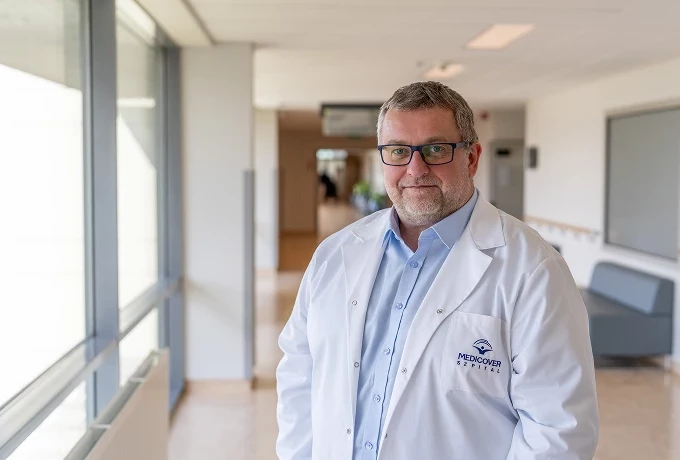
              Lek. Piotr Ślifirczyk

              Neurologist, graduate of the Medical Academy of Warsaw and the Centre for Postgraduate Medical Education in Warsaw

              A neurology specialist, he has 20 years of experience in diagnosing and treating neurological diseases, as well as in providing management support and care for patients and their families. His patients especially appreciate his insightfulness, meticulousness and a friendly atmosphere during consultations. He gained experience working with patients in both inpatient and outpatient settings.


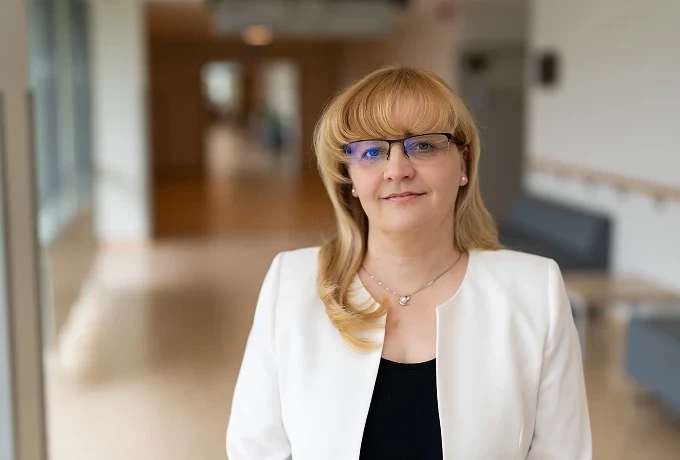
              Dr hab. Katarzyna Polanowska

              Neuropsychologist. Habilitated doctor of medical sciences and health sciences, specialist in clinical psychology with training in adult clinical neuropsychology.

              As a neuropsychology specialist, she has extensive experience in diagnosing cognitive and behavioural disorders, progressive memory impairments, and dementia syndromes, as well as assessing cognitive function for neuropsychological rehabilitation and providing differential diagnosis of functional cognitive disorders manifesting as brain deficits.


              Mgr Dominika Bytniewska

              Clinical dietitian. Graduate of the Medical University of Warsaw, having majored in dietetics.

              A specialist in clinical dietetics with experience in assessing diet and nutritional status. Her professional focus includes medical nutrition; the treatment of overweight, obesity, and eating disorders; nutrition education; and the role of nutrition in the prevention of lifestyle- and diet-related diseases. She has gained experience at the Department of Neurology of the Central Clinical Hospital in Warsaw, among other places.


              Lek. Krystyna Guzek

              Head of Wellness Medicine Clinic. Specialist in internal medicine and cardiology.

              She is a graduate of second-degree studies at the Faculty of Medicine of the Medical University of Warsaw. She has obtained her specialisation in internal medicine at the Institute of Cardiology in Warsaw. For years, she has been devoted to improving her expertise in cardiology. She treats patients with heart failure, hypertension, coronary artery disease and other cardiovascular problems. Together with a team of doctors from Wellness Medicine Clinic, she takes care of patients undergoing Brain Health Screening.

              Early diagnosis and accurate estimation of risk
              can be instrumental in delaying the onset of symptoms
              prolonging a person’s independence and improving their quality of life.


              Do you need more detailed information?

              Contact us to schedule an appointment or to learn more.


              Call + 48 500 900 902


              Medicover Hospital
              Aleja Rzeczypospolitej 5
              02-972 Warszawa 


              BOOK A CONSULTATON

              Fill in the form

              Screening regulations


              • Medicover
                hotline
              • Book an
                appointment
                online
              • Online
                application
              • Emergency medical
                services
                500 900 999
              MEDICOVER
              • Services
              • Guide
                to Medicover
              • About us
              • Contact
                and help
              • Doctors
                and centres
              medicover hospital
              • Childbirth
              • Procedures
                & surgeries
              • Consultations
              • Diagnostics
              • Patients
              • Contact
                & help 24h
              store
              • Medical consultations
              • Medical subscriptions
              • Diagnostics tests
              • Health screenings
              • Stomatology
              for companies
              • Offer for companies
              • Services for companies
              • Contact
              Copyright © Medicover 2026
              • Cookie policy
              • Privacy policy
              • Information clause
              See us on
              • facebook
              • linked in
              • twitter
              Speech recognition in progress